
Maybe Fix the Food Before Funding the Bombs
The sheep are not claiming one enzyme caused America’s health crisis. They are asking why Americans are still expected to trust a food system that keeps getting cheaper, stranger, and harder to defend

The sheep are not reassured.
They have now been told, in the calm managerial voice Americans are always expected to trust, that a genetically engineered enzyme tied to Pfizer’s early biotech work has been used in most cheese for decades, that it is “as safe” as traditional rennet, and that everyone should relax because the experts sorted this out long ago.
The sheep have heard this kind of speech before. It is the language institutions use when they would like the public to mistake regulatory comfort for moral clarity.
The narrow fact pattern is fairly straightforward. What people are reacting to is fermentation-produced chymosin, or FPC, an enzyme used to coagulate milk in cheesemaking. In 1990, the FDA concluded that chymosin produced through recombinant technology was the same as calf-derived chymosin in functional terms and therefore “as safe as” chymosin in rennet. That decision helped open the door for broad adoption of the enzyme in cheesemaking, and it is now widely described as dominant in commercial production.

But the sheep are not especially interested in pretending that regulatory approval settles the larger question. The FDA’s position is not the same thing as public trust, and it is certainly not the same thing as long-term confidence in the American food system.
The sheep understand that this enzyme is not a vaccine ingredient, not a drug being poured into milk, and not proof by itself that modern cheese is poisoning the republic. At the same time, they are under no obligation to greet every industrial food substitute with a standing ovation simply because a federal agency once declared it acceptable.
That is especially true in a country whose broader food and health picture is already difficult to defend. The CDC reported that U.S. adult obesity prevalence was 40.3% during August 2021 through August 2023, and CDC’s 2025 state maps show that every state and territory had adult obesity prevalence of at least 25% in 2024. The OECD likewise reports U.S. obesity levels well above the OECD average.
None of that proves that fermentation-produced chymosin causes obesity, and the sheep are not claiming that it does. But it does suggest that Americans are living inside a food environment that is deeply unhealthy by comparative standards, and it is not irrational for people to question whether decades of cheapening, engineering, reformulating, and industrializing food for affordability and scale might be part of the larger story.
The sheep think that is the real issue.
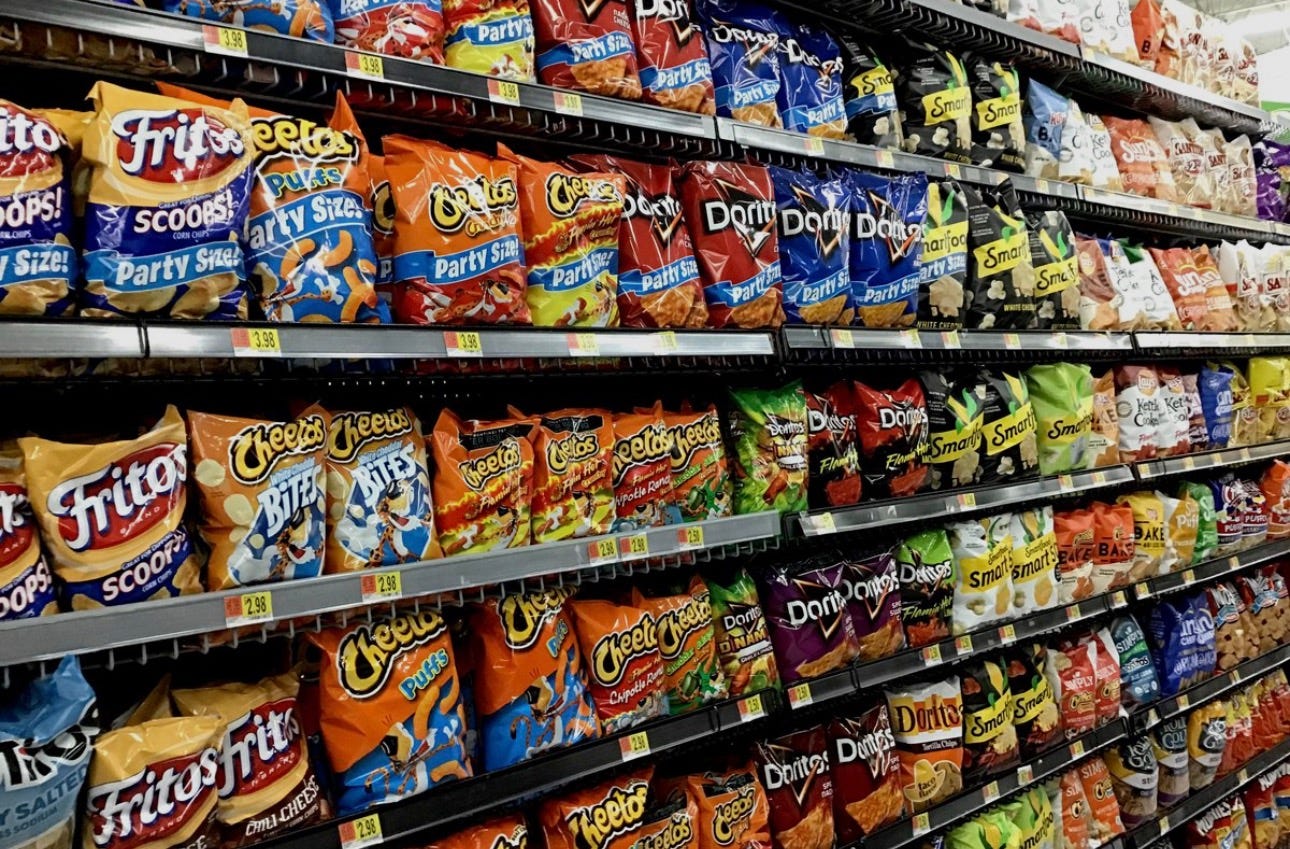
This is not only about one enzyme in cheese. It is about a national food model that repeatedly prioritizes shelf life, scale, processing efficiency, and cost management, then acts surprised when the public grows suspicious of what it is being fed. USDA’s own numbers show that food affordability remains a real pressure point, with monthly food plan estimates still substantial even at the thrifty level, while USDA also reported that 13.7% of U.S. households were food insecure at some point in 2024. In other words, Americans are being told they should be grateful for affordable food innovation while millions still struggle to afford food at all, and many of the affordable options are produced inside a system people increasingly do not trust.
That is why the sheep are not satisfied with the usual expert reassurance that this particular enzyme is harmless. Perhaps it is. The FDA has said as much for decades. But the larger burden of proof now runs in the opposite direction. The American public is looking at a country with extraordinary chronic disease burdens, unusually high obesity rates relative to peer nations, widespread food insecurity, and a food supply chain built around industrial shortcuts and opaque processing aids, and it is asking a perfectly reasonable question: why should we assume this model is good enough simply because it is efficient?
The sheep would put it this way: maybe the enzyme is not the scandal. Maybe the scandal is that Americans have been trained to accept a food system in which “safe,” “cheap,” and “available at scale” are treated as the highest possible standards, even while the country gets sicker and trust collapses. Maybe the more important question is not whether one ingredient in most cheese passed an FDA review in 1990. Maybe the question is why the United States has tolerated a broader food economy that so often forces people to choose among cost, convenience, transparency, and health.
And yes, the sheep do wonder whether the country should spend less time refining the machinery of war and more time rebuilding the machinery of public health. If the federal government can mobilize astonishing sums for missiles, bombs, and military escalation, it can certainly imagine investing serious money in a healthier, more transparent, less chemically mediated food supply. That is a political choice, not a natural law. Americans do not have to accept a system where the richest country in the world spends lavishly on destruction abroad while telling its own people to stop being so emotional about what is in the cheese.
So no, the sheep are not prepared to call this harmless just because regulators did. They are prepared to say something more modest and, in its own way, more damning: there is no direct evidence here that this enzyme explains America’s health crisis, but there is also no good reason to keep pretending the larger American food system deserves automatic trust. A country with obesity far above peer nations, millions of food-insecure households, and a public that keeps learning about its food through viral headlines rather than transparent disclosure might consider that skepticism not a nuisance, but a sign that something is deeply wrong.
What an astonishingly astute look at this country’s obscene priorities. “…And yes, the sheep do wonder whether the country should spend less time refining the machinery of war and more time rebuilding the machinery of public health. If the federal government can mobilize astonishing sums for missiles, bombs, and military escalation, it can certainly imagine investing serious money in a healthier, more transparent, less chemically mediated food supply.”
Nail, meet head.
🐑🐑🐑
I'm fortunate that I have the option to buy from local farms. It is my choice to not bring junk foods into my house. There are so many who do not have the luxury of the local farm option. I'm afraid with the direction government is going in, we are looking at more poisonous foods in our grocery stores.
But Money talks. Change could come from the bottom up If people are educated to purchase what's healthy when they can. And more healthy foods become available in areas of food deserts.