


In 1994, Irish singer Dolores O’Riordan wrote one of the most haunting protest songs of the modern era: Zombie, performed by the band The Cranberries.
The song was written after a bombing in Warrington, England during the Troubles, the violent conflict in Northern Ireland between nationalist and unionist groups. Two children - three-year-old Johnathan Ball and twelve-year-old Tim Parry - were killed when bombs exploded in a shopping district. The horror of that attack pushed O’Riordan to write the song as an angry protest against political violence and the endless cycle of retaliation.
The power of Zombie is that it describes a pattern of human behavior that repeats across generations: anger becoming ideology, ideology becoming violence, and violence becoming normalized.
When the sheep listen to the song today, they hear something that feels disturbingly familiar.
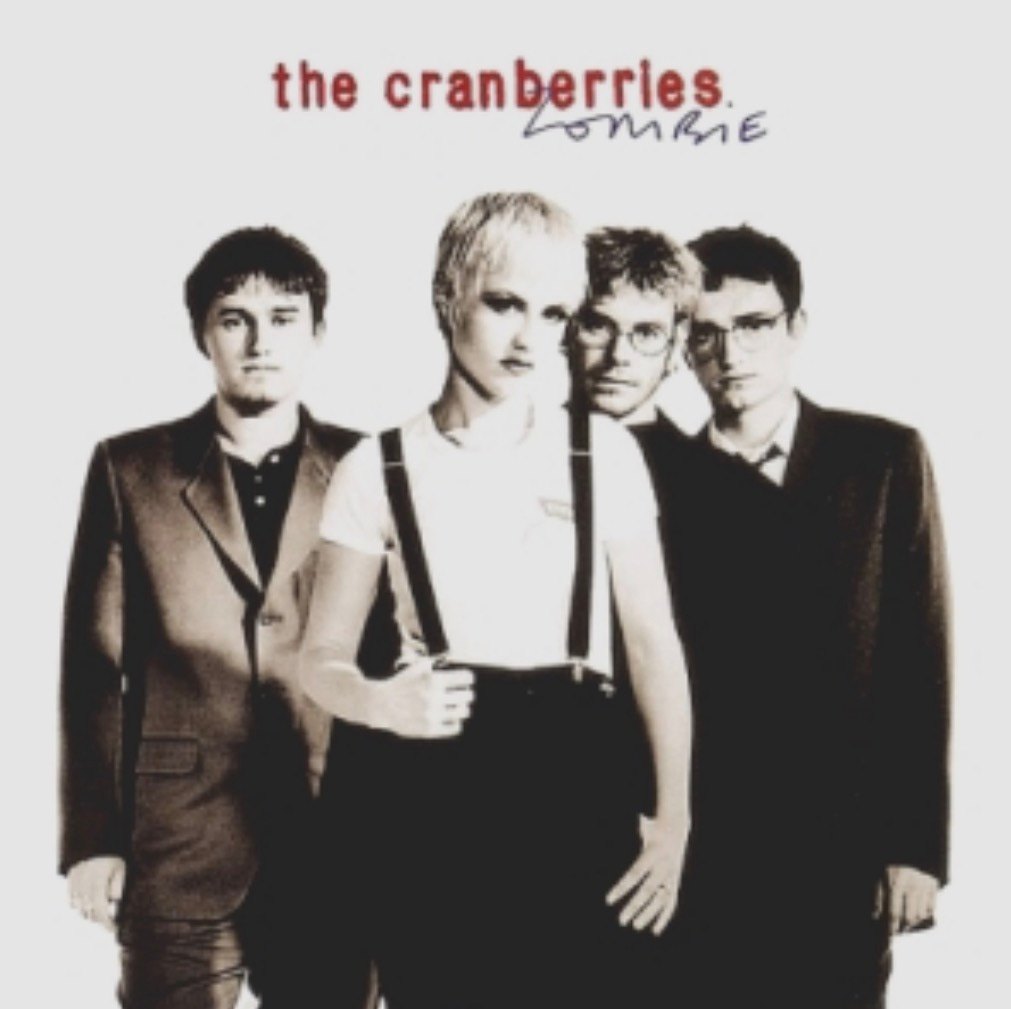
“Another head hangs lowly / Child is slowly taken”
The song opens with an image of grief:
“Another head hangs lowly
Child is slowly taken”
The lyrics were inspired by the children killed in the 1993 bombing, but the imagery is universal. War and political violence often begin with speeches about strategy or ideology. They end with grieving families.
O’Riordan wrote the song in outrage that innocent people - especially children - had become collateral damage in a conflict driven by politics and revenge.
The sheep hear this opening and think about how political rhetoric often treats human life as an abstraction. Leaders speak about enemies, targets, and strategic objectives.
Meanwhile, the consequences appear in hospital rooms, funerals, and broken families.
The distance between those two realities is where tragedies are born.
“When the violence causes silence / We must be mistaken”
This line is the moral center of the song.
Violence, the lyrics suggest, does something dangerous to societies. It makes people quiet.
When violence becomes normalized, many people stop speaking against it. They tell themselves the conflict is necessary, unavoidable, or justified.
The sheep notice that this phenomenon appears in many political environments. When governments escalate conflict or harsh policies, criticism can suddenly feel unpatriotic or dangerous.
Silence becomes easier than confrontation, but the song insists that silence itself is a mistake.
“It’s the same old theme since 1916”
This lyric refers to the Easter Rising of 1916, a key event in Irish history that intensified the struggle between Irish independence movements and British rule.
The line is about repetition.
Political conflicts often persist because each generation inherits the grievances of the previous one. Old battles become part of identity. Historical trauma becomes political fuel.
O’Riordan was warning that societies can become trapped inside their own narratives of revenge.
The sheep think about how often modern political discourse returns to historical grievances - real or imagined - to justify new conflicts.
When leaders constantly invoke past humiliations, they make it easier to rally people toward confrontation instead of compromise.
History becomes ammunition.
“What’s in your head?”
The most famous line in the song is also its most unsettling.
“What’s in your head?
In your head, zombie, zombie, zombie.”
The word “zombie” is not meant literally. Many critics interpret it as a metaphor for people who follow violent ideologies without questioning them.
A zombie is someone who moves forward without thinking. Someone who obeys the logic of the mob. Someone who stops asking whether violence is justified and instead focuses only on which side they belong to.
The sheep find that metaphor particularly powerful in the modern political environment.
Political movements often demand loyalty above all else. Followers are encouraged to see opponents not as fellow citizens but as enemies. Once that transformation happens, independent thinking becomes dangerous.
The zombie metaphor captures that moment perfectly.
“With their tanks and their bombs”
Another verse expands the picture:
“With their tanks and their bombs
And their bombs and their guns”
The repetition in the lyrics is deliberate. It mimics the relentless cycle of militarization.
Weapons escalate. Each side believes it must respond to the other with greater force. Eventually, the conflict becomes self-sustaining.
The sheep hear echoes of this pattern whenever political leaders speak about war as if it were inevitable. Every conflict begins with claims of necessity, every escalation is framed as defensive, and every new weapon is described as the final step toward peace.
The cycle rarely ends where leaders promise it will.
The Real Meaning of “Zombie”
Despite being associated with Irish politics, O’Riordan herself insisted the song was fundamentally anti-violence, not partisan. She famously said the militants committing the violence did not represent her or her country.
The target of the song was not one side or another. It was the mindset that keeps violence alive.
The zombie is the person who stops questioning the system that produces suffering.
The Song Still Matters
Three decades later, Zombie still resonates because the dynamics it describes have never disappeared.
Political polarization can create the same psychological environment that fuels conflict. Leaders simplify complex problems into moral battles. Followers are encouraged to see themselves as defenders of a cause rather than participants in a shared society.
When that happens, empathy begins to fade.
The sheep worry about that process.
Democracies require citizens to recognize each other as part of the same community, even when they disagree. The moment opponents become enemies, politics becomes something else entirely.
The Question Behind the Song
At its heart, Zombie is not really about Ireland. It is about a question.
Why do societies allow cycles of violence to continue even when everyone understands the cost?
O’Riordan never provided a direct answer. Instead, she left listeners with the unsettling image of people marching forward like the living dead, repeating the same conflicts generation after generation.
The sheep suspect that the song endures because it forces listeners to confront something uncomfortable.
The danger is not only the leaders who call for conflict. It’s the moment when ordinary people stop questioning those calls.
When that happens, the transformation is complete.
The zombies have taken over.


